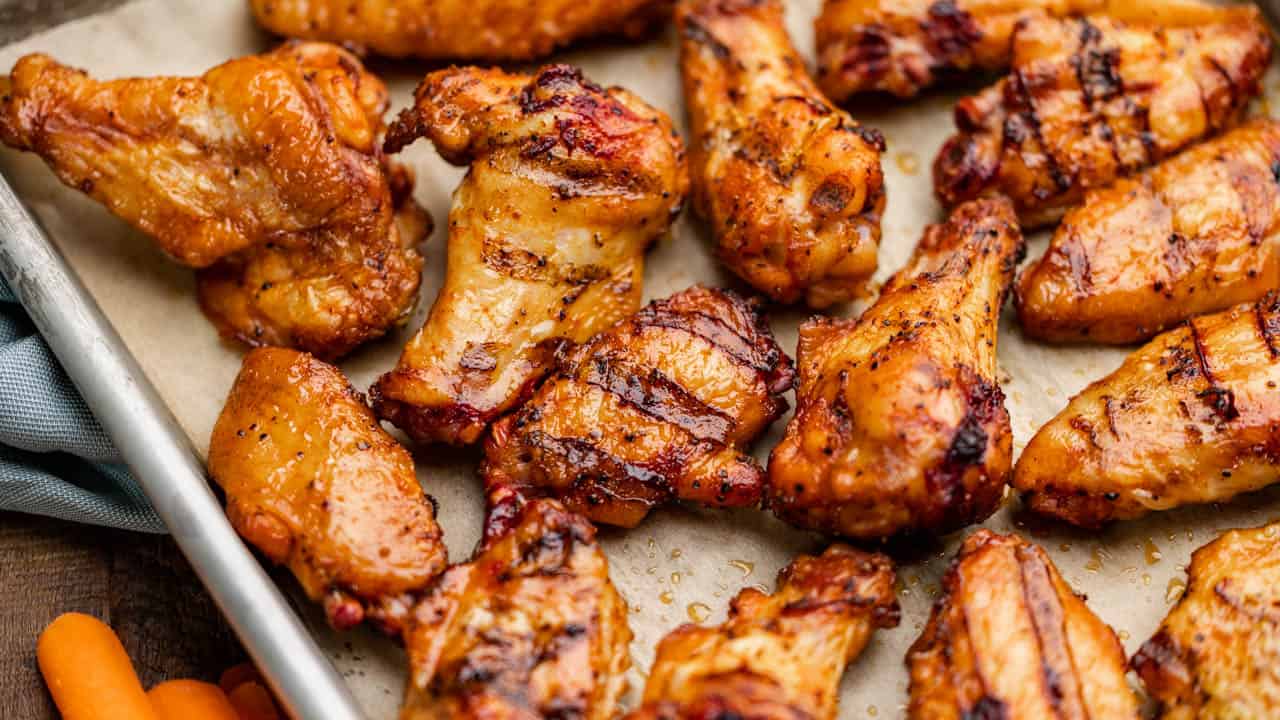
Easy Smoked Chicken Wings: Your Guide to Unforgettable Flavor and Texture
Imagine biting into a chicken wing so tender it practically melts in your mouth, enveloped in a rich, smoky aroma, and finished with an incredibly crispy skin. That’s the dream, right? And with Master Crispy & Juicy Smoked Chicken Wings Every Time, this dream is not only achievable but surprisingly easy, even if you’re new to the world of smoking. Forget complicated recipes and lengthy prep times; we’re diving into the simple yet profound techniques that transform humble chicken wings into a backyard barbecue masterpiece. Prepare to impress your family and friends with smoked chicken wings that boast perfect flavor and an irresistible crunch every single time.
This comprehensive guide will walk you through everything you need to know, from selecting and seasoning your wings to mastering the art of low-and-slow smoking and that crucial high-heat finish. We’ll uncover the secrets to maximum juiciness, unbeatable smoky depth, and that coveted crispy skin, ensuring you look like a seasoned pro with every batch.
The Foundation: Prepping Your Smoked Chicken Wings for Success
The journey to perfect smoked chicken wings begins long before they ever see the smoke. Proper selection and preparation are paramount for setting the stage for incredible flavor and texture.
Selecting and Preparing Your Wings
- Choose Wisely: You’ll typically find chicken wings sold in a few forms. "Party-style" wings are already separated into drumettes and flats, saving you time. If you opt for whole wings, you’ll need to butcher them yourself, separating the drumette from the flat and discarding the tiny, bony tip (or saving it for stock). A mix of both drumettes and flats offers variety in texture and eating experience.
- The Golden Rule: Dry, Dry, Dry! This is perhaps the single most critical step for achieving crispy skin. Moisture is the enemy of crispiness. Before seasoning, thoroughly pat down every single wing with paper towels until they are bone dry. Don't skip this step – excess moisture on the skin will steam rather than crisp, leading to a rubbery texture.
The Essential Seasoning Blend (and a Secret Weapon)
While complex rubs have their place, the beauty of smoked chicken wings often lies in allowing the natural chicken flavor and the smoke to shine. A simple yet effective rub is all you need:
- Basic Blend: Start with a base of regular table salt (or kosher salt, adjusting quantity accordingly), freshly ground black pepper, and paprika. Paprika adds a mild, sweet flavor and a beautiful reddish hue. For an intensified smoky aroma from the get-go, opt for smoked paprika.
- Binding Agent: A light drizzle of olive oil before applying the rub helps the seasoning adhere to the wings evenly and can also aid in preventing them from drying out during the initial smoking phase.
- Beyond the Basics: Feel free to experiment with additions like garlic powder, onion powder, a pinch of cayenne pepper for heat, or even a pre-made barbecue rub that complements chicken. However, remember that less is often more when you want the smoke flavor to be prominent.
- The Crispy Skin Secret: Baking Powder! For truly next-level crispy skin, a secret weapon lies in your pantry: baking powder (not baking soda). Tossing your dried wings with a small amount of baking powder along with your salt (or rub) creates a slightly alkaline environment. This helps break down proteins in the chicken skin, leading to increased surface area for moisture evaporation and a much crispier finish. For an in-depth dive into this technique, check out our guide: Unlock Crispy Smoked Wings: Baking Powder & Grill Smoker Hacks.
Mastering the Smoke: Low and Slow Flavor Infusion
With your wings prepped and seasoned, it’s time to introduce them to the magical world of smoke. This low-and-slow phase is where the wings absorb incredible flavor and become wonderfully tender.
Choosing Your Wood for Signature Smoke
The type of wood you use will significantly impact the final flavor profile of your smoked chicken wings. Consider these popular choices:
- Cherry: Offers a sweet, fruity smoke that pairs beautifully with poultry and imparts a lovely reddish hue to the skin. It's subtle and won't overpower.
- Hickory: A classic barbecue wood, hickory provides a strong, savory, and robust smoke flavor. It’s perfect if you desire that traditional, hearty BBQ taste.
- Hickory-Cherry Combination: Many pitmasters find this blend to be the best of both worlds – the savory depth of hickory with the fruity sweetness of cherry, often leading to a gorgeous red smoke ring.
- Other Options: Don't limit yourself! Apple wood offers a milder, sweeter smoke, while pecan provides a nutty, slightly richer flavor similar to hickory but less intense. Oak is a versatile, medium-intensity smoke good for almost anything.
Setting Up Your Smoker (or Grill) for Success
The goal is to maintain a consistent low temperature of 225°F (107°C) for the smoking phase. This allows the smoke to penetrate the meat thoroughly and renders the fat under the skin, which is crucial for later crisping.
- Pellet or Electric Smokers: These are generally the easiest to operate. Simply set your desired temperature and add your preferred pellets.
- Gas Grill Conversion: To turn your gas grill into a smoker, use indirect heat. Turn one burner (or side) on low, place a smoker box or foil pouch filled with wood chips over the lit burner, and place your chicken wings on the unlit side. Keep the lid closed and monitor the temperature, adjusting the lit burner as needed to maintain 225°F.
- Charcoal Grill Conversion: Create a two-zone cooking setup. Push lit coals to one side, add wood chunks or presoaked wood chips directly onto the coals, and place your wings on the opposite, cooler side. Use your vents to control airflow and temperature, aiming for that consistent 225°F.
The Smoking Process
Arrange your wings in a single layer on the smoker grates, ensuring they are not crowded. Airflow is vital for even cooking and smoke penetration. Smoke the wings for approximately 1.5 to 2 hours, or until they reach an internal temperature of about 150-160°F (65-71°C). At this stage, the wings will be tender and infused with smoke, but the skin won't be crispy yet – that's for the grand finale!
The Crispy Finale: Achieving That Perfect Skin
After their low-and-slow smoke bath, your wings will be incredibly flavorful and tender. But what sets truly legendary smoked chicken wings apart is that glorious, crackling crispy skin. This requires a sudden blast of high heat.
The science behind this is simple: the low-temperature smoking renders much of the fat under the skin. The high-heat finish then quickly evaporates any remaining moisture and crisps up the rendered skin to perfection. Here are a few effective methods:
- The Oven Method: This is arguably the easiest and most consistent method. Preheat your oven to a blazing 375-400°F (190-200°C). Transfer your smoked wings to a baking sheet and cook for 10-15 minutes, or until the skin is beautifully golden brown and crispy.
- The Grill Method (Direct Heat): For a slight char and extra smoky punch, you can finish the wings over direct high heat on your grill. Be vigilant, as flare-ups can occur due to rendered fat. Grill for just 2-4 minutes per side, turning frequently, until crispy.
- The Air Fryer Method: If you have an air fryer, it's an excellent tool for crisping smaller batches of wings quickly. Place smoked wings in a single layer in the air fryer basket and cook at 375-400°F (190-200°C) for 5-8 minutes, shaking occasionally, until desired crispiness is achieved.
No matter the method, aim for an internal temperature of 175-180°F (79-82°C) for chicken wings. While poultry is safe at 165°F, reaching a slightly higher temperature helps break down the connective tissues in the wings, resulting in even more tender, fall-off-the-bone meat.
Serving Your Smoked Chicken Wing Masterpiece
Once your smoked chicken wings have achieved peak crispiness and tenderness, it's time to enjoy them! You have several options for serving, depending on your preference.
- Plain Perfection: Many argue that the best way to enjoy expertly smoked wings is simply plain, perhaps with a sprinkle of fresh parsley or chives. This allows the smoky flavor and crispy texture to truly shine.
- Sauced and Tossed: For those who love a good sauce, toss your crispy wings in your favorite BBQ sauce, classic buffalo sauce, a sweet and tangy Asian glaze, or even a spicy garlic Parmesan. Remember to sauce after crisping to maintain that delightful crunch.
- Classic Pairings: Serve your wings with traditional sides like celery sticks and blue cheese dressing or ranch.
Troubleshooting Common Issues
- Rubbery Skin: This is almost always due to insufficient drying before smoking, not enough high-heat finish, or failing to use baking powder. Ensure your wings are bone dry, and don't skimp on that final crisping step.
- Over-smoked Flavor: If your wings taste too strong or bitter, you might be using too much wood, or a wood type that's too aggressive for your taste (like mesquite, which can be overpowering for chicken). Experiment with milder woods or reduce the amount of wood used.
- Dry Wings: Overcooking is the main culprit here. Use an instant-read thermometer to ensure you hit the target 175-180°F internal temperature without going too far beyond.
Storing and Reheating Leftovers
If you happen to have any leftover wings (a rare occurrence!), store them in an airtight container in the refrigerator for up to 4 days. To reheat and maintain their crispy texture, place them on a baking sheet in an oven preheated to 375°F (190°C) for 10-15 minutes, or until warmed through and re-crisped.
Conclusion
Smoking chicken wings is an incredibly rewarding experience that delivers huge flavor payoffs for relatively little effort. By following these pro tips – from meticulous drying and strategic seasoning with baking powder, to the patient low-and-slow smoke, and finally, that critical high-heat crisping – you’ll consistently create smoked chicken wings that are juicy on the inside, smoky throughout, and irresistibly crispy on the outside. So fire up your smoker or grill, grab your wings, and get ready to enjoy a truly exceptional barbecue experience. Happy smoking!
